Real-Time Air Quality Monitoring for Laboratories and Workplaces
Telemetry2U connects indoor air quality sensors and compatible fixed gas detection systems to live cloud dashboards. Monitor CO₂, oxygen, particulate matter, VOCs, temperature, humidity and selected gases with alerts, historical trends and multi-site analytics.
Keep Local Safety Alarms—and Add Cloud Visibility
For critical installations, the existing detector, display, siren and local control system remain in place. T2U adds remote data access, long-term records and analytics through a compatible system output.
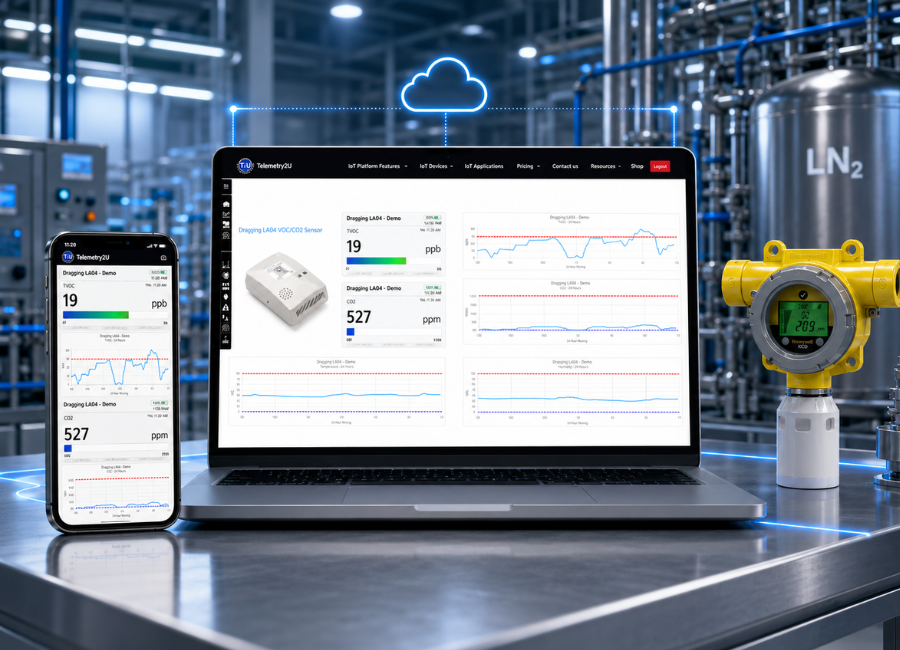
Monitor Air Quality Continuously Instead of Relying on Spot Checks
A portable meter or occasional inspection only shows conditions at one moment. Continuous monitoring reveals how air quality changes during occupancy, ventilation cycles, laboratory work, cleaning, equipment operation and unexpected events—even when nobody is watching the local display.
One Platform for Environmental Conditions and Gas-System Data
Telemetry2U can collect readings from purpose-built indoor air quality sensors, particulate monitors, wireless room sensors and compatible fixed gas detection equipment. The result is a central record that can be reviewed remotely without removing the local safety functions already protecting the site.
- Live readings: View the latest air quality and gas measurements from authorised internet-connected devices.
- Historical trends: Compare conditions across hours, shifts, rooms, buildings or longer reporting periods.
- Threshold alerts: Notify selected users when a configured condition is detected.
- Multi-site visibility: Organise sensors by laboratory, room, building, department or customer site.
- Device health: Review communication status, battery information and the most recent transmission where supported.
- Analytics and reporting: Examine recurring patterns and export data for operational review.
- Flexible integration: Combine LoRaWAN, cellular and compatible wired sensor interfaces in one account.
Public awareness increased sharply during the COVID-19 pandemic, but the long-term value is broader: better ventilation insight, safer laboratory operation, clearer maintenance evidence and faster investigation when conditions move outside the expected range.
Choose Measurements That Match the Actual Air-Quality Risk
Air quality is not one measurement. A ventilation project, particulate problem and oxygen-deficiency risk require different sensors, ranges and response plans. Telemetry2U provides the cloud layer after the correct field instrumentation has been selected for the application.
Indoor Air Quality and Ventilation Indicators
Measurements used to understand occupancy, ventilation, airborne particles and general room conditions.
True Carbon Dioxide
Track actual CO₂ concentration as an indicator of ventilation performance in occupied indoor spaces.
PM2.5 and PM10
Monitor fine and coarse particulate matter associated with dust, smoke, processes and outdoor-air ingress.
TVOC and eCO₂
Use volatile-organic-compound and estimated CO₂-equivalent data as general indicators, while recognising that eCO₂ is not a direct CO₂ measurement.
Temperature, Humidity and Pressure
Add environmental context that helps explain comfort, ventilation and sensor behaviour.
Laboratory and Fixed Gas Detection Data
Measurements used where oxygen levels, gas accumulation or process hazards require specialist detection equipment.
Oxygen Deficiency or Enrichment
Monitor oxygen concentration using suitable fixed gas detection equipment in laboratories, storage areas and controlled environments.
Carbon Dioxide Accumulation
Track CO₂ where cylinders, incubators, dry ice, processes or restricted ventilation may create a specific safety concern.
Toxic or Flammable Gases
Connect data from suitable certified systems where the installed detector or controller provides a compatible output.
Alarm and System Status
Record available alarm, fault, relay or controller-status information alongside measured values.
Use the Right Monitoring Method for the Decision
Continuous fixed sensors are useful for operational visibility and alerts, but formal workplace exposure assessment may require specialist instruments, breathing-zone sampling, calibration and interpretation by a competent person. Sensor selection and alert thresholds must be based on the actual risk and applicable requirements.
Connect Critical Gas Detection to the Cloud Without Weakening Local Safety
Telemetry2U has integrated compatible Honeywell gas detection equipment in laboratory environments where the Honeywell system continued to provide the local display, siren and alarm response. T2U connected the available data to the cloud for remote visibility, long-term records and analysis.
Honeywell Example: Local Protection, Remote Visibility
Detect
The fixed gas detector continuously measures oxygen, CO₂ or another selected gas using instrumentation designed for the application.
Alarm Locally
The local Honeywell or other approved system operates its display, siren, relays and connected safety controls without depending on the cloud.

Connect
A compatible Modbus, 4–20 mA or alarm-contact output is connected through suitable interface hardware and mapped into Telemetry2U.

Analyse
Authorised users review live values, trends, alarm history and supplementary notifications from desktop or mobile devices.
Critical Safety Boundary
Telemetry2U is a supervisory cloud layer in this architecture. It does not replace the approved detector, local audible and visual alarms, ventilation interlocks, emergency procedures or other safety functions required at the site.
Air Quality Monitoring Across Laboratories, Workplaces and Public Buildings
The same Telemetry2U account can support simple room-condition monitoring, specialist laboratory gas systems and distributed facilities. Each deployment should use sensors and alert workflows appropriate to the actual environment.

Laboratories and Research Facilities
Monitor oxygen, CO₂ and environmental conditions in laboratories, sample-storage areas and specialist research spaces using suitable instrumentation.
Offices and Meeting Rooms
Use true CO₂, temperature and humidity data to identify occupancy-related patterns and investigate spaces where ventilation may be inadequate.

Healthcare and Public Buildings
Consolidate room-condition and air-quality data across clinics, community buildings and other occupied facilities with controlled user access.
Dust and Particulate Monitoring
Track PM2.5 and PM10 around workshops, construction activities, industrial areas or sites affected by smoke and airborne dust.
Plant and Equipment Rooms
Integrate compatible gas, ventilation and equipment-status signals where remote awareness is useful alongside the local control system.
Multi-Site Facility Portfolios
Compare rooms, buildings and sites through one platform while limiting each user to the devices and dashboards relevant to their role.
Use Current Air-Quality Sensors—or Integrate Existing Gas Systems
Telemetry2U is a hardware-compatible platform rather than a single-sensor product. New projects can use current wireless or RS-485 air-quality devices, while existing fixed gas detection systems can be connected when they expose a suitable interface.
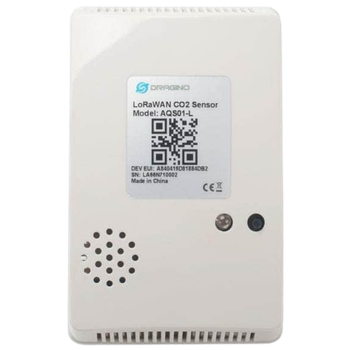
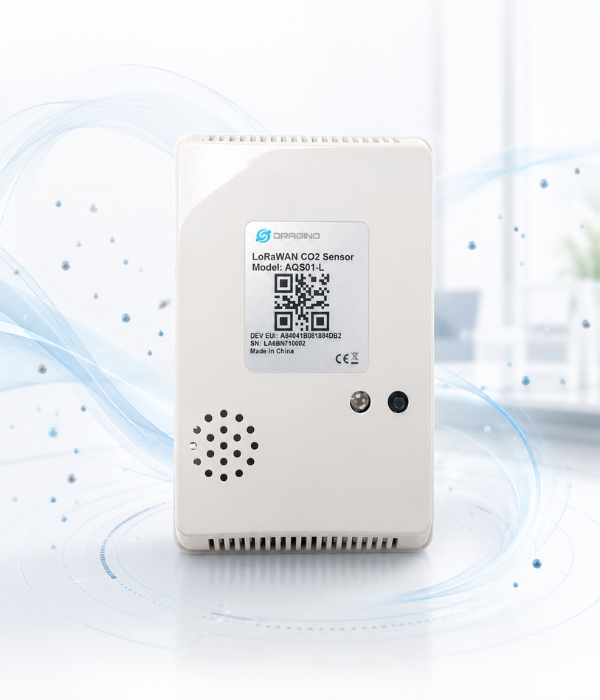
Dragino AQS01-L for Indoor CO₂ Monitoring
The AQS01-L is a LoRaWAN indoor air-quality sensor designed to report true CO₂, temperature, relative humidity and air pressure.
- Direct CO₂ measurement for occupied spaces
- Battery-powered LoRaWAN communication
- Environmental context from temperature, humidity and pressure
- Suitable for offices, meeting rooms and general indoor monitoring
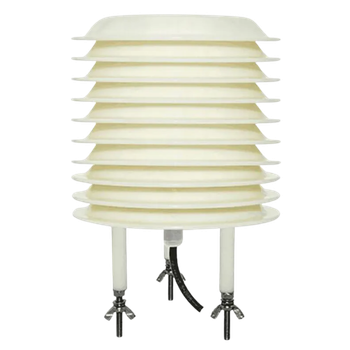
Dragino WSS-23 for CO₂ and Particulate Matter
The WSS-23 is an RS-485 air-quality sensor that reports CO₂, PM2.5 and PM10 and can be connected through compatible telemetry hardware.
- CO₂, PM2.5 and PM10 measurements
- RS-485 interface for wired sensor integration
- Weather-protected sensor arrangement
- Useful where particulate data is central to the project
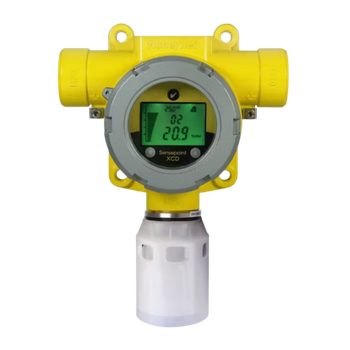
Honeywell and Other Fixed Gas Systems
Existing fixed gas detectors and controllers can often be retained. T2U connects to an available output while the local system continues to perform its approved alarm and control functions.
- Modbus RTU or TCP where available
- 4–20 mA analogue values through a suitable interface
- Dry-contact alarm or fault status
- Model-specific integration assessment before commissioning
Existing Dragino LAQ4 Deployments
Existing LAQ4 units can remain connected where they are still supported. Because the LAQ4 reports eCO₂ derived from VOC sensing rather than a direct CO₂ measurement, new ventilation projects should generally use a true CO₂ sensor when actual carbon dioxide concentration is required.
Turn Air-Quality Readings into Useful Operational Records
Sensor data becomes useful when people can see the current condition, understand what changed, receive the right notification and retain enough history to investigate. Telemetry2U combines these functions in one Australian-operated platform.
Live Dashboards
Display current gas and environmental values using configurable gauges, charts, indicators and status widgets.
Alerts and Escalation
Configure thresholds, delays, recipients and escalation pathways for operational notifications.

Historical Analysis
Review trends around occupancy, ventilation changes, process events and recurring time-of-day patterns.

Reports and Event Notes
Export data and preserve investigation notes, acknowledgements and corrective actions with the event history.

Australian-Hosted Infrastructure and Local Integration Support
Telemetry2U operates dedicated Australian-hosted infrastructure and supports the complete path from sensor interface and payload mapping through to dashboards, user access, notifications and long-term operation.
Match Connectivity to the Sensor, Building and Reporting Requirement
Wireless room sensors, remote cellular devices and existing wired controllers can all feed the same platform. The right method depends on available power, radio coverage, reporting interval, infrastructure and the importance of local autonomy.

LoRaWAN for Buildings and Sensor Networks
LoRaWAN is well suited to battery-powered room sensors distributed across laboratories, offices and larger facilities.
- One gateway can support many compatible sensors
- Long-range, low-data-rate communication
- Useful where Wi-Fi credentials should not be managed at every sensor

NB-IoT and LTE-M for Direct Cellular Monitoring
Cellular devices can connect remote buildings or isolated monitoring points without a local LoRaWAN gateway.
- Direct SIM-based communication
- Useful for distributed sites and stand-alone equipment
- Coverage, power demand and carrier support must be confirmed

Wired Interfaces for Existing Controllers
Fixed gas systems and industrial sensors often provide a reliable wired output that can be connected to telemetry hardware.
- Modbus RTU or TCP data where available
- 4–20 mA signals for measured values
- Relay contacts for alarm and fault status
Plan an Air Quality or Fixed Gas Monitoring Integration
Tell us which gases or environmental conditions matter, which sensors or controllers are already installed, what local alarms must remain independent and how users need to access the data. T2U can assess the interface, connectivity, dashboard, alert and reporting requirements.
Related Air Quality Monitoring and Integration Resources
Explore the platform features, hardware guidance and infrastructure used to build a complete remote air quality or gas-system monitoring solution.
Dashboards and Data
See how live readings, trends and reports are organised within the platform.
Alerts and Integration
Review notifications, API access and compatible hardware integration pathways.
Infrastructure and Deployment
Understand the network, hosting and broader IoT application environment.
Air Quality and Fixed Gas Monitoring FAQ
Answers to common questions about measurements, Honeywell integration, local safety systems, particulate monitoring, connectivity and workplace exposure monitoring.
Telemetry2U can monitor measurements supplied by compatible sensors or controllers, including true carbon dioxide, oxygen, PM2.5, PM10, total volatile organic compounds, temperature, humidity, air pressure and selected toxic or flammable gases. The available measurements depend on the installed sensor and its communications interface.
Yes. Telemetry2U has integrated compatible Honeywell gas detection equipment by connecting to outputs made available by the installed detector or controller. The exact method may use Modbus, 4–20 mA or alarm contacts, depending on the Honeywell model, controller configuration and project requirements.
No. For critical gas applications, the approved local detector, display, siren, relays and safety controls remain the primary protection system. Telemetry2U adds remote visibility, historical data, analytics and supplementary notifications without replacing the required local safety functions.
A true CO₂ sensor measures carbon dioxide concentration directly. An eCO₂ value is an estimated carbon dioxide equivalent derived from another measurement, commonly volatile organic compounds. eCO₂ can be useful as a general indoor air quality indicator, but it should not be treated as a direct CO₂ measurement where actual concentration is required.
Yes. Compatible particulate sensors can report PM2.5 and PM10 readings to Telemetry2U for dashboards, trends, threshold alerts and reporting. Sensor location, sampling method, maintenance and suitability for the intended purpose must be considered when interpreting particulate data.
Air quality projects can use LoRaWAN, NB-IoT or LTE-M devices, as well as compatible wired interfaces such as Modbus or 4–20 mA connected through suitable telemetry hardware. The best option depends on sensor power, reporting frequency, local coverage, existing infrastructure and the number of monitoring points.
Often, yes. Existing instruments can be assessed for compatible digital, analogue or alarm outputs. Telemetry2U then determines the appropriate interface, decoder, power arrangement, data mapping and dashboard configuration. Integration suitability must be confirmed for the exact model and installed system.
No. Telemetry2U can record data from suitable sensors and support operational monitoring, alerts and investigations. Formal workplace exposure assessment may require specific instruments, sampling methods, calibration, professional interpretation and regulatory procedures. The customer remains responsible for selecting an appropriate monitoring method and meeting workplace health and safety obligations.