Aluminium Temperature Sensor Buffers for Accurate Monitoring
A temperature buffer slows the response of a monitoring probe so its readings more closely represent stored products or samples rather than short-lived air changes caused by door openings, defrost cycles or local airflow.
Why Temperature Sensor Buffers Improve Monitoring
The air inside a fridge or freezer can change temperature much faster than the stored contents. Measuring air alone may therefore produce brief excursions that do not reflect the thermal condition of the monitored products.
A buffer adds controlled thermal mass around the probe. This dampens rapid air changes and gives the monitoring system a response that is more representative of samples, medicines, vaccines, food or other temperature-sensitive contents.
Short door openings and defrost cycles are less likely to create an alert when the monitored contents have not experienced the same rapid change.
The selected buffer, probe position, alert delay and calibration method must remain consistent with the facility's documented monitoring procedure.
Accreditation note: A temperature buffer does not itself provide compliance or accreditation. Facilities accredited by NATA to ISO/IEC 17025 should use monitoring and calibration arrangements that are suitable for their scope, equipment and approved procedures.
Solid Aluminium Instead of a Liquid Buffer
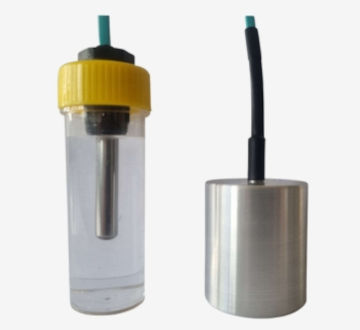
Liquid-filled bottles can provide useful thermal inertia, but the container and fluid introduce practical risks. A machined aluminium block provides a repeatable solid alternative without liquid leakage, evaporation or broken containers.
Liquid-Based Buffers
Water or glycol-filled containers are commonly used to add thermal mass around a probe and can be selected to represent different sample volumes.
- The container can leak, crack or be disturbed.
- Fluid loss can change the buffer's response over time.
- Separate probe placement may reduce calibration repeatability.
Solid Aluminium Buffers
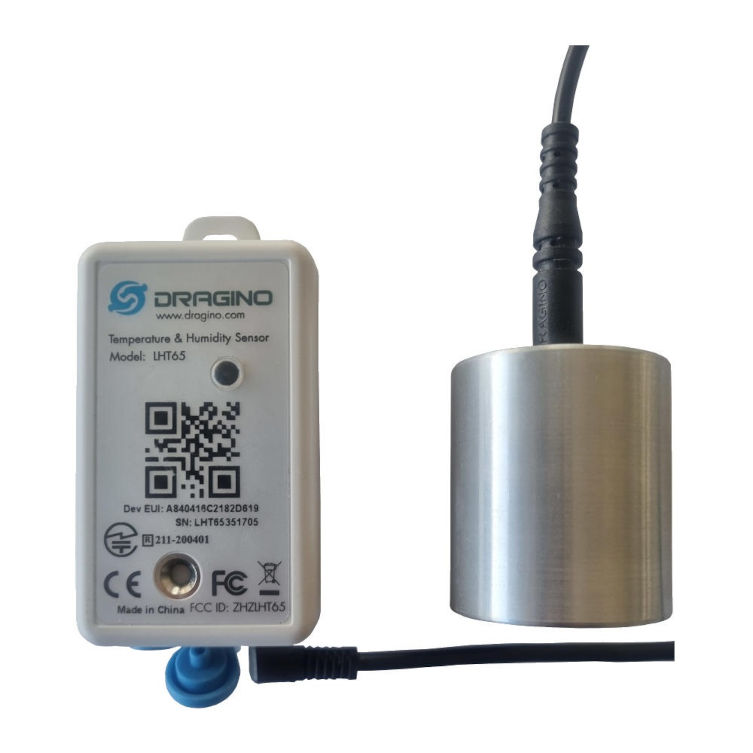
The Telemetry2U aluminium buffer is designed to emulate the thermal response of a nominal 30 mL water sample.
- No liquid is present to leak or evaporate.
- The solid body is easy to secure in a fixed position.
- Multiple bores accommodate different probe diameters and a reference probe.
Comparing a 30 mL Aluminium Buffer with Water
Telemetry2U compared the thermal response of a 30 mL water sample with a nominal 30 mL aluminium buffer under the same controlled temperature change.
- An identical temperature sensor was installed in each test medium.
- Both sensors recorded at one-minute intervals and stabilised at room temperature.
- The water sample and aluminium buffer were suspended in an incubator set to 60°C.
- The initial temperature difference was approximately 40°C.
- After 90 minutes, the incubator was turned off and its door was opened for cooling.
The recorded heating and cooling profiles closely followed one another during this test. This indicates that the aluminium buffer can provide a similar thermal response to the 30 mL water sample under the tested conditions.
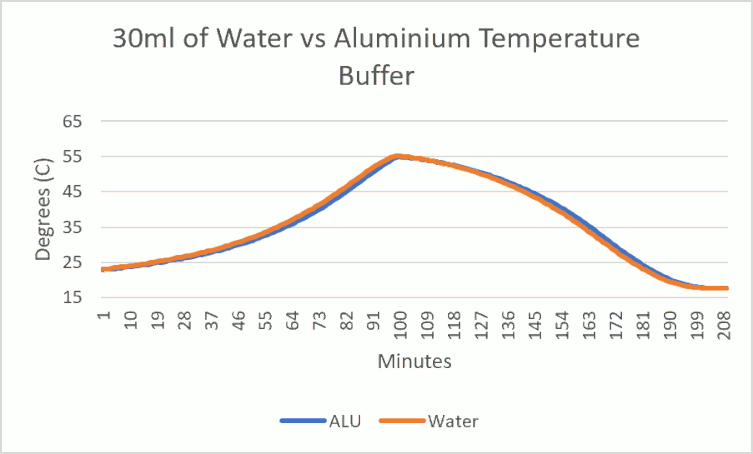
This result describes the test arrangement shown above. Actual response time can vary with probe fit, airflow, placement, cabinet loading and the thermal properties of the stored contents. Confirm the final setup against the site's approved monitoring and alert procedure.
Using the Buffer in Fridges, Freezers and Calibration Checks
Install the buffer close to the monitored contents and keep it in a fixed location. Avoid positions directly beside the door, evaporator, defrost heater or cabinet wall unless the site procedure specifically requires monitoring that location.
Insert the operational probe fully into the best-fitting bore and secure the cable so normal loading or cleaning cannot pull it out of the buffer.
Use an available second bore for a calibrated reference sensor so both probes are compared within the same aluminium mass during a calibration check.
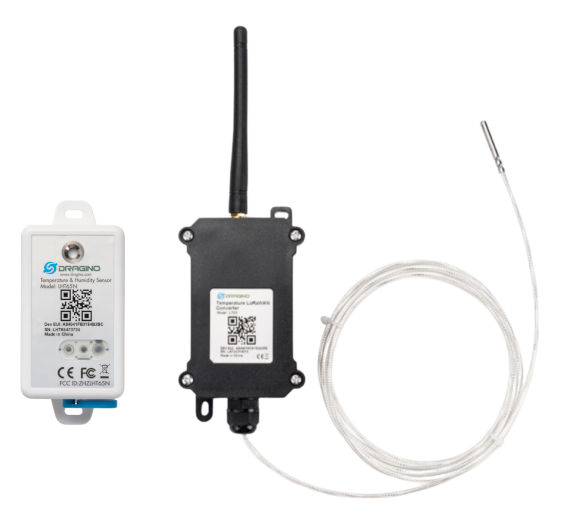
Compatible external probes can be connected to wireless monitoring devices such as the Dragino LHT65S temperature and humidity sensor or the Dragino LTC1 PT100 RTD temperature sensor. Telemetry2U can then record the buffered temperature, display trends and issue alerts when the configured conditions are met.