Food Safety Temperature Monitoring for Commercial Kitchens and Cold Storage
Telemetry2U provides wireless temperature monitoring for commercial kitchens, restaurants, catering operations, food retailers and production facilities. Monitor fridges, freezers and cool rooms with live dashboards, configurable alerts, historical records, corrective-action notes and scheduled reports.
Detect Cold-Storage Problems Before the Next Manual Check
Add continuous monitoring and after-hours notification without replacing existing refrigeration equipment or relying only on local displays and audible alarms.
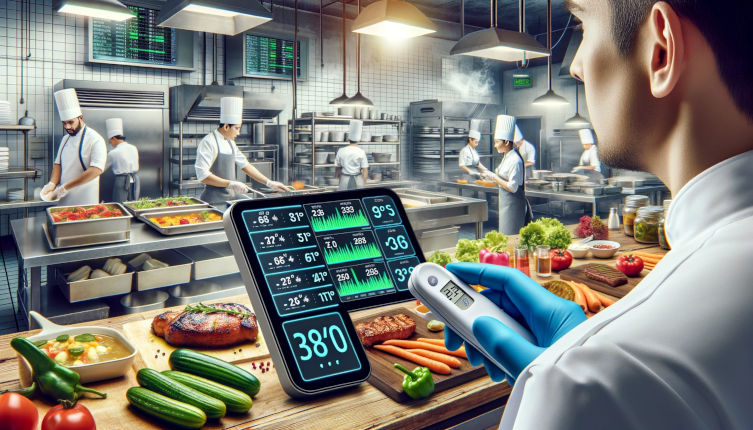
Move Beyond Periodic Fridge and Freezer Checks
A manual reading shows the temperature at one moment. Continuous monitoring records what happens between checks, overnight and during weekends, giving staff more time to respond to a door left open, refrigeration fault, defrost issue or gradual loss of cooling performance.
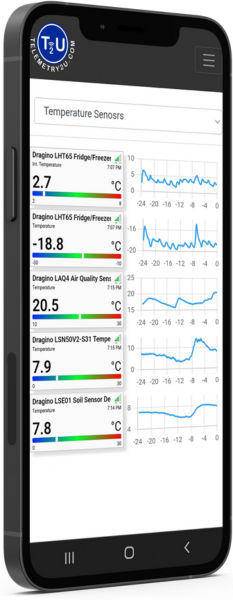
Continuous Visibility with a Documented Response
Telemetry2U connects compatible wireless sensors to a central platform so kitchen, quality, facilities and operations teams can review current conditions and investigate changes without visiting every appliance.
- Automatic temperature records: Capture readings at configured intervals instead of relying only on handwritten logs.
- Configurable alert rules: Set high and low limits, delays and consecutive-reading rules for each monitored asset.
- Escalation to selected staff: Send email, SMS, voice or supported app notifications according to the response plan.
- Historical trend review: Examine conditions before, during and after a temperature excursion.
- Corrective-action notes: Add acknowledgements, investigation details and actions to the alert record.
- Device and communication status: Check battery, reporting and connectivity health from the same platform.
- Single-site or multi-site operation: Organise fridges, freezers and cool rooms by kitchen, store, department or location.
Food Standards Australia New Zealand advises that potentially hazardous food should generally be kept at 5°C or colder or 60°C or hotter, unless another safe temperature control can be demonstrated. Wireless storage monitoring can support this process, but it does not replace suitable food thermometers, documented procedures or the business's responsibility to manage food safely. Review the FSANZ temperature guidance .
Wireless Temperature Monitoring Across Food Service, Retail and Production
The same platform can support a single kitchen fridge or a distributed group of cold-storage assets across stores, production areas and multiple sites. Sensor type, placement, reporting interval and alarm limits should be selected for each asset and procedure.
Kitchens, Restaurants and Customer-Facing Food Businesses
Continuous monitoring for refrigerated ingredients, prepared food, display stock and other temperature-sensitive inventory.
Restaurants and Cafes
Monitor kitchen fridges, under-bench units, freezers and cool rooms, including assets that may be unattended outside trading hours.
Catering and Central Kitchens
Give operations and quality teams a central view of storage areas used for preparation, holding and dispatch across busy production schedules.
Supermarkets and Delis
Monitor cool rooms, freezers and refrigerated display equipment across departments or stores while directing alerts to the responsible team.
Bakeries and Specialty Food Retailers
Maintain visibility of chilled ingredients, fillings, dairy products and prepared stock stored across multiple refrigeration units.
Food Manufacturing, Warehousing and Distributed Cold Storage
Scalable monitoring for larger refrigeration systems, specialist storage and sites that need central oversight.
Food Production Facilities
Track ingredient storage, production cool rooms and finished-product refrigeration while preserving historical data for review.
Cold Rooms and Walk-In Freezers
Add remote monitoring to large storage areas where a local display or audible alarm may not be noticed after hours.
Warehouses and Distribution Sites
Compare conditions across storage zones, loading areas and separate sites from one account, subject to the selected sensor and network design.
Multi-Site Food Operations
Standardise dashboards, alerts and reports while controlling which users can access each store, kitchen or monitored asset.
Turn a Temperature Excursion into a Documented Response
A notification is only useful when the right person receives it, investigates the cause and records the outcome. Telemetry2U connects detection, escalation, annotations and reporting so the event can be reviewed with its temperature history.
From Detection to Follow-Up
Detect
A compatible sensor records the storage temperature and identifies when readings meet the configured alert conditions.

Notify
Email, SMS, voice or supported app notifications are sent to selected users or escalation contacts according to the response plan.

Record
Staff add acknowledgements, investigation notes and corrective actions to preserve what was checked and how the issue was handled.
Review
Historical readings, alerts and response notes can be included in reports for management review, inspections and food safety processes.
A Practical Monitoring System for Existing Refrigeration Equipment
Telemetry2U combines compatible sensors, wireless connectivity and a cloud platform without requiring the business to replace its fridges, freezers or cool rooms. Hardware can be self-configured or supplied through a plug-and-play deployment service.
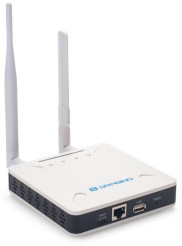
1. Wireless Connectivity
A LoRaWAN gateway can connect many battery-powered sensors across a kitchen, store or production site. NB-IoT and LTE-M devices may suit separate locations or assets where a local gateway is not practical.
Compare wireless network options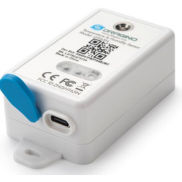
2. Sensors, Probes and Buffers
Select a sensor and probe range that suits the asset. Aluminium temperature buffers can reduce short air-temperature spikes caused by door openings or defrost cycles and help the reading better represent stored product conditions.
Learn about aluminium temperature buffers
3. Dashboard, Alerts and Reports
Current readings, historical charts, device status, alert events, annotations and reports are managed through one web-based platform. User access can be limited to the locations and functions relevant to each person.
Explore platform featuresSee the Food Storage Temperature Monitoring Dashboard
One View for Live Conditions and Historical Trends
Review current temperatures, historical charts and device status from one central dashboard. Staff can see which assets are normal, in warning, offline or in an active alert state without checking each appliance display.
Investigate the Event, Not Just the Latest Reading
A historical chart helps show whether an excursion was a short door-opening event, a repeating defrost pattern, a gradual refrigeration problem or a sustained loss of temperature control that requires immediate action.
- View current readings across connected fridges, freezers and cool rooms.
- Examine historical trends and threshold lines over a selected period.
- Review alert timing and related response annotations.
- Check device communication, battery condition and monitoring status.
- Organise dashboards around sites, kitchens, departments or responsibilities.
Telemetry2U operates a unified platform on dedicated Australian-hosted infrastructure, with managed network services, controlled customer environments and integrated notification services. Review the platform infrastructure .
Temperature Monitoring Dashboard
Live demonstration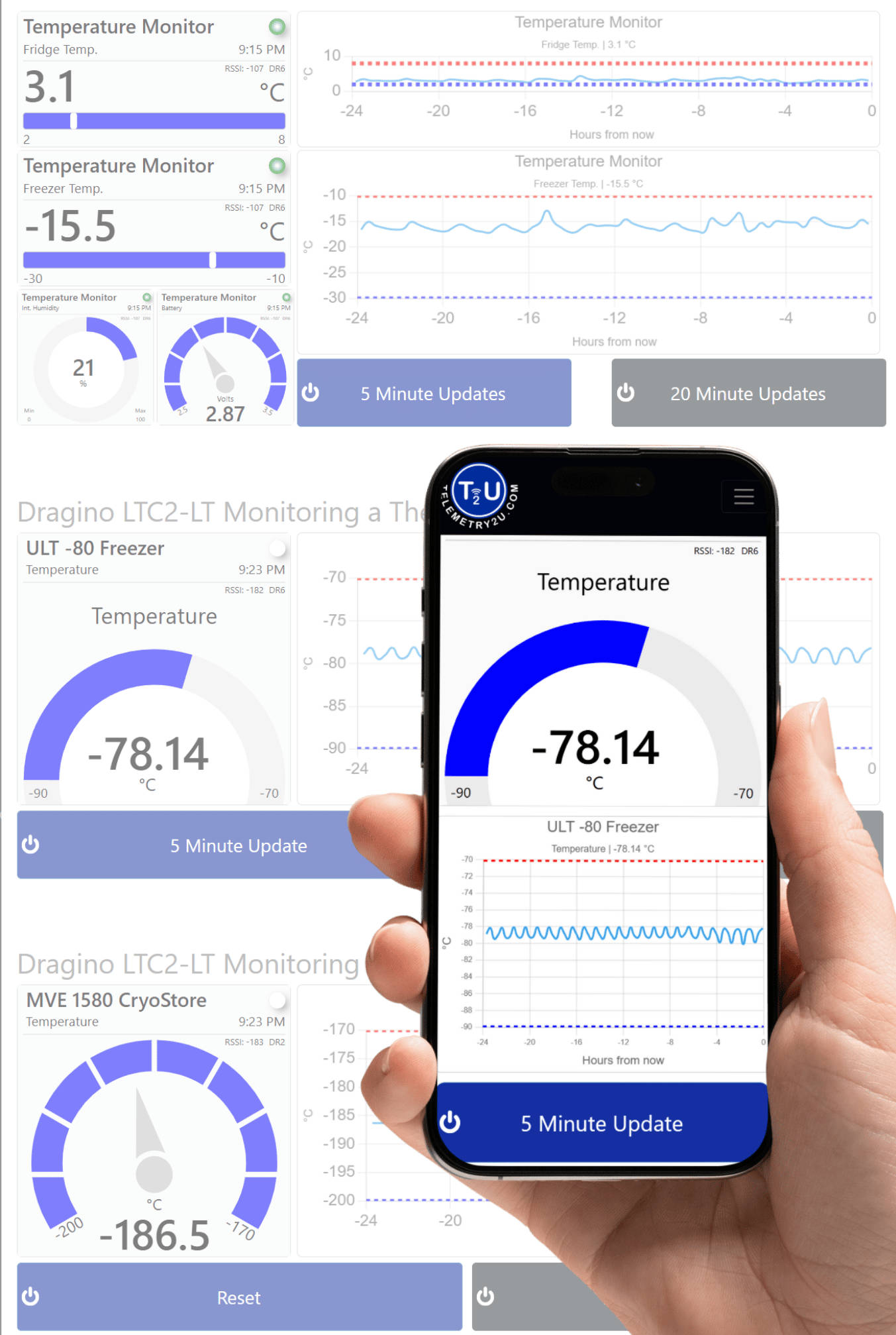
Example dashboard shown for demonstration purposes. Available readings, widgets, update intervals and reporting options depend on the connected devices and monitoring configuration.
Build a Clear Food Safety Temperature Monitoring Record
Monitoring evidence is more useful when the temperature history, notification, response and device information remain connected. Telemetry2U helps authorised users review the complete event instead of reconstructing it from separate systems.
Alert History
Review threshold breaches, notification activity and event timing beside the associated temperature data.
Alert notificationsCorrective-Action Notes
Attach investigation details, acknowledgements and actions to the alert event so the response can be reviewed later.
Adding alert annotationsScheduled Reports
Generate reports with charts, alert history, annotations and data exports, then download them or schedule delivery to selected recipients.
Automated audit reports
Calibration Records
Keep calibration status, coefficients, due dates and certificates associated with the monitored device.
Calibration managementMonitoring Supports Food Safety Processes; It Does Not Replace Them
Telemetry2U can help maintain monitoring records and evidence. Each food business remains responsible for its limits, food safety program, staff training, thermometer checks, corrective actions, equipment maintenance and obligations under applicable Australian state or territory requirements.
Food Safety Temperature Monitoring Questions
These answers explain the role of continuous storage monitoring and the responsibilities that remain with the food business.
Food Standards Australia New Zealand advises that potentially hazardous food should generally be kept at 5°C or colder or 60°C or hotter, unless the business can demonstrate that another temperature control keeps the food safe. The limits and response settings used in a monitoring system must match the business's food safety procedures.
No. Wireless sensors are useful for continuously monitoring the storage environment, but they do not replace every food temperature measurement, staff procedure, thermometer check or regulatory responsibility. Businesses must decide which checks are required for receival, storage, preparation, display, cooling, reheating and transport.
With suitable sensors and installation methods, Telemetry2U can monitor fridges, freezers, cool rooms, walk-in storage areas and refrigerated display equipment. The correct probe, operating range, mounting method and alert settings should be selected for each asset.
Telemetry2U can send notifications by email, SMS, voice call and supported app channels, depending on the account configuration. Alert thresholds, delays, consecutive-reading rules and escalation contacts can be configured to suit the monitored asset and response procedure.
Some supported monitoring devices can retain readings locally and upload them after communications are restored. Remote notifications depend on an available communications path, so each deployment should include suitable gateway, power, cellular backup and outage-response arrangements where continuity is critical.
Yes. Historical data, alerts, annotations, calibration information and scheduled reports can support a business's monitoring evidence and review processes. Telemetry2U does not make a business compliant by itself; the business remains responsible for procedures, limits, staff training, corrective actions and regulatory obligations.
Compatible sensors can be checked, adjusted and managed through Telemetry2U calibration workflows. Calibration dates, coefficients and certificates can be associated with device records, and NATA-accredited calibration workflows can be supported where required.
Yes. A deployment can begin with one fridge or freezer and expand to multiple assets, kitchens, stores, production areas or sites. Dashboards, user access, alert groups and reports can be organised around the locations and responsibilities of the business.
Food Safety Temperature Monitoring Resources
Use these platform, installation and food-safety resources to plan a monitoring system and define the procedures that sit around it.
Platform and Alert Features
Review the dashboard, notification and reporting tools used to manage connected temperature sensors.
Installation and Calibration
Find guidance for sensor placement, temperature buffers, cable routing and calibration records.
Planning and Food Safety Guidance
Compare deployment options, estimate costs and review official food temperature guidance.
Plan a Food Storage Temperature Monitoring System
Start with one critical fridge or plan a multi-site deployment. Telemetry2U can support hardware selection, platform configuration, alert design, dashboards, user access and reporting while your business retains control of its food safety procedures.